


When it comes to home maintenance, faucets can often be overlooked. After all, they seem to work fine, right? Yet, like everything else, they have a lifespan and can show signs of wear and tear.
Knowing when to replace your tap can save you from costly repairs or water damage down the line. Let’s explore five clear indicators that your faucet needs replacing and how to recognize them.
1. Persistent Leaks
One of the most apparent signs that your faucet might be on its last legs is a persistent leak. If you’re noticing water pooling around the base or dripping from the spout, it’s time to take notice.
While a simple washer replacement might do the trick in some cases, ongoing leaks could indicate deeper issues.
Over time, seals wear out, and the inner mechanisms can become corroded. A steady drip may seem minor, but it can lead to higher water bills and potential damage to your cabinetry or flooring.
If you’re unsure how to tackle these persistent issues, getting in touch with a Plumber Mosman NSW can help identify the root cause and recommend the best solution.
To spot a leak, keep an eye on the area around your sink. If you see moisture when the tap is turned off, or if water collects in unusual spots, don’t ignore it. Even a small leak can grow into a more significant problem if left unattended.
2. Reduced Water Pressure
Another significant warning sign is a noticeable drop in water pressure while using your faucet.
If you once enjoyed a strong, steady stream and now find yourself waiting for the water to trickle out, there could be several reasons behind this.
Clogged aerators, mineral deposits, or even internal plumbing problems could be at fault.
While some issues can be remedied with a thorough cleaning, persistent low pressure might suggest that the faucet itself needs replacing.
Older models, especially, might struggle to deliver water efficiently, leading to frustration during everyday tasks.
To determine if it’s the faucet or plumbing, try turning on other taps in the house. If the pressure is normal elsewhere, your faucet is likely the culprit.
In that case, it could be time to look for a new model that meets your water usage needs.
3. Corrosion and Wear
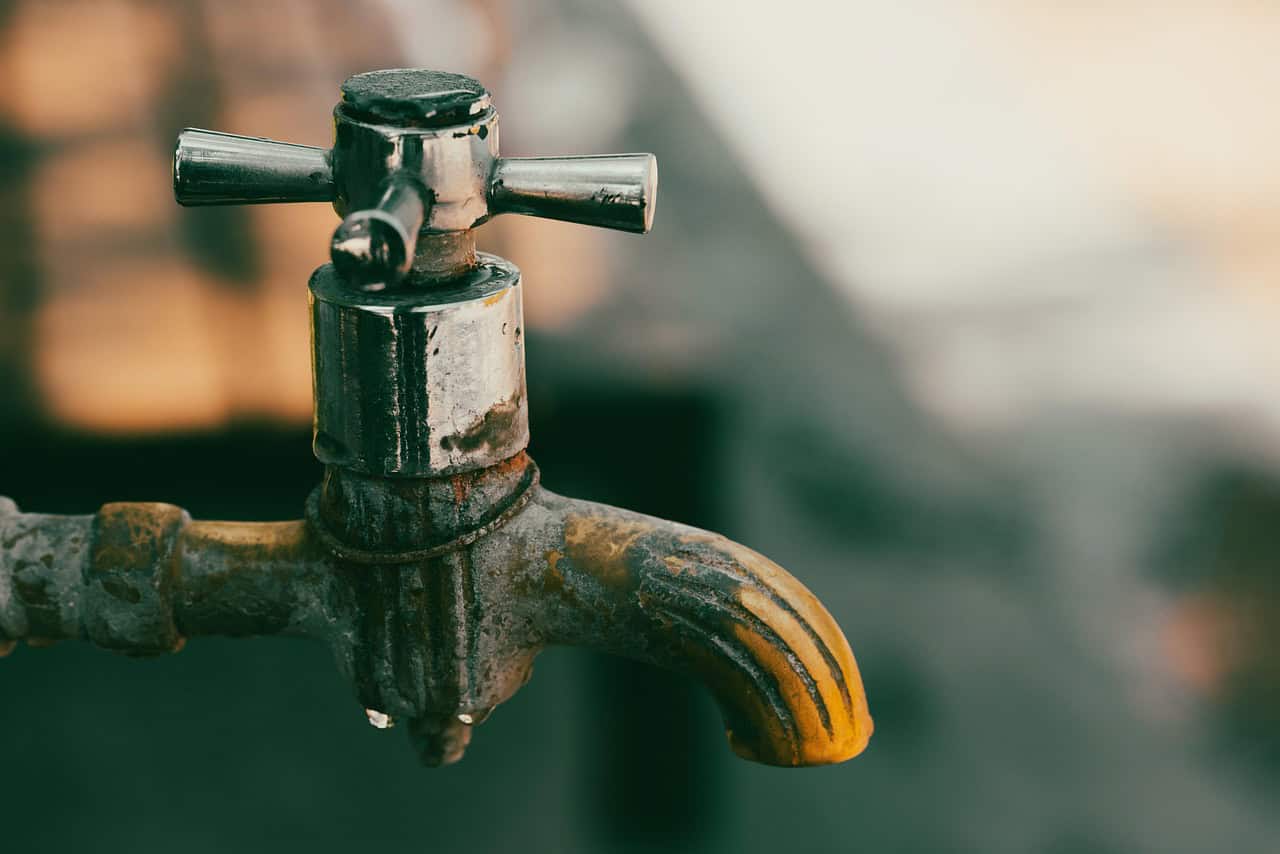
The aesthetic condition of your faucet can reveal a lot about its functionality. If you notice signs of corrosion, rust, or significant wear, it’s a blatant signal that it may be time for a change.
Corroded faucets not only look unattractive but can also compromise the quality of the water you use.
Inspect the faucet body and handles for signs of pitting or discoloration. These issues often stem from hard water or prolonged exposure to moisture.
If the finish is wearing away or you can see rust marks, replacing the tap can improve both function and appearance.
Beyond looks, corrosion can lead to leaks and failures in the plumbing system. If you see these signs, it’s worthwhile to weigh the cost of repair against the price of a new, shiny faucet that’s free from such issues.
4. Unusual Noises
Have you started to hear strange noises when using your faucet? Whether it’s a loud banging sound or a persistent hissing, these noises can be indicative of an underlying problem.
Often, these sounds stem from loose components or air trapped in the pipes, but they could also signify deeper issues.
A faucet that clatters can signal that something isn’t right within the assembly. If the noise persists even after tightening screws or checking connections, it’s likely a sign of wear and tear.
Noisy faucets can be annoying, and often, the fix isn’t worth the hassle when a new faucet could solve the issue entirely.
To pinpoint the problem, listen carefully when you turn the water on and off.
If the noise seems to be coming from the faucet itself rather than the plumbing, replacement could be the best option to restore peace and quiet in your kitchen or bathroom.
5. Outdated Design
Lastly, consider the style and design of your faucet. If it feels outdated or doesn’t match your decor, it might be time for a change.
Modern faucets come with improved water efficiency and innovative features that could enhance your overall experience in the kitchen or bathroom.
An outdated faucet can affect your home’s overall aesthetic and might not function as efficiently as newer models.
If you find yourself constantly battling leaks or poor performance, a sleek, contemporary design could bring both style and substance to your space.
When assessing your faucet’s design, think about your home’s overall look. A fresh, modern faucet can seamlessly blend functionality with style, enhancing not just your sink, but the entire room’s vibe.
If your faucet doesn’t match your vision anymore, it might be time to explore the market for something that does.
Recognizing the signs that your faucet needs replacement can save you time, hassle, and money.
By monitoring for leaks, assessing water pressure, checking for corrosion, listening for unusual sounds, and evaluating design, you can make informed decisions about when to replace your tap.
A proactive approach will keep your plumbing in good shape and help maintain the beauty and functionality of your home.