

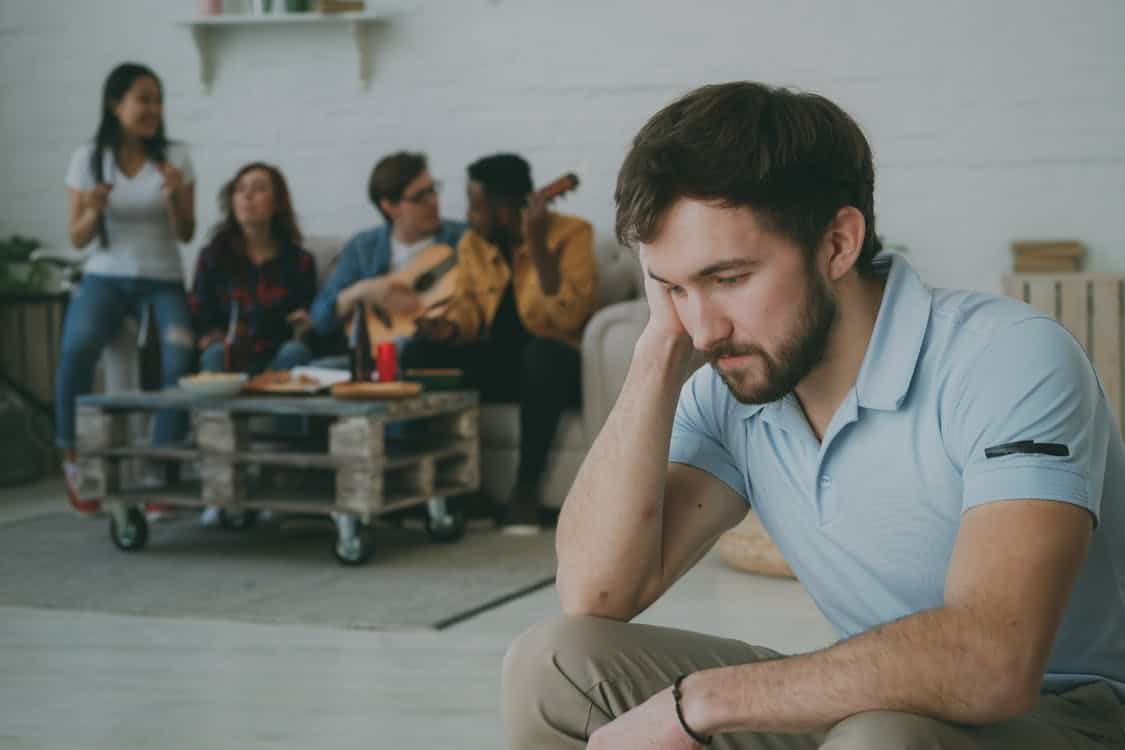
When the US Surgeon General issued a loneliness advisory in 2023, calling social isolation a public health crisis comparable to smoking 15 cigarettes a day, few oncologists paid serious attention.
Cancer treatment protocols have never included questions about how many close friends a patient has. But a growing body of evidence suggests that oversight may be costing lives.
Loneliness Increases Mortality Through Multiple Pathways
A social isolation increases mortality risk by 32% in cancer patients found that loneliness and social isolation significantly increase mortality risk in cancer patients through interconnected biological, psychological, and behavioral mechanisms. The stress response triggered by loneliness appears to lead to immune dysregulation and heightened inflammatory activity, ultimately contributing to disease progression.
The scale of the problem is larger than most clinicians realize. Studies indicate that 16% to 41% of patients with breast cancer report feeling socially isolated, and roughly 30% of young adult cancer survivors aged 18 to 39 experience at least mild social isolation.
For a disease affecting 20 million people globally in 2022 – with projections suggesting 35 million incident cases by 2050 – these percentages translate into millions of patients whose treatment outcomes may be compromised by a factor rarely measured or addressed.
Social Ties Predict Survival
Recent research examining the survival data linking social ties to outcomes has revealed that the relationship between social connection and cancer prognosis operates through multiple pathways simultaneously. Biologically, chronic loneliness activates stress response systems that suppress immune function, particularly natural killer cell activity – the very cells responsible for identifying and destroying cancer cells before they establish themselves.
A massive UK Biobank analysis published in March 2026, examining 350,000 adults, found that objective social isolation modestly but measurably increases cancer risk, particularly in women. The study controlled for lifestyle factors like smoking, alcohol consumption, and physical activity, suggesting the isolation effect operates independently of behavioral confounders.
Why Isolated Patients Fare Worse
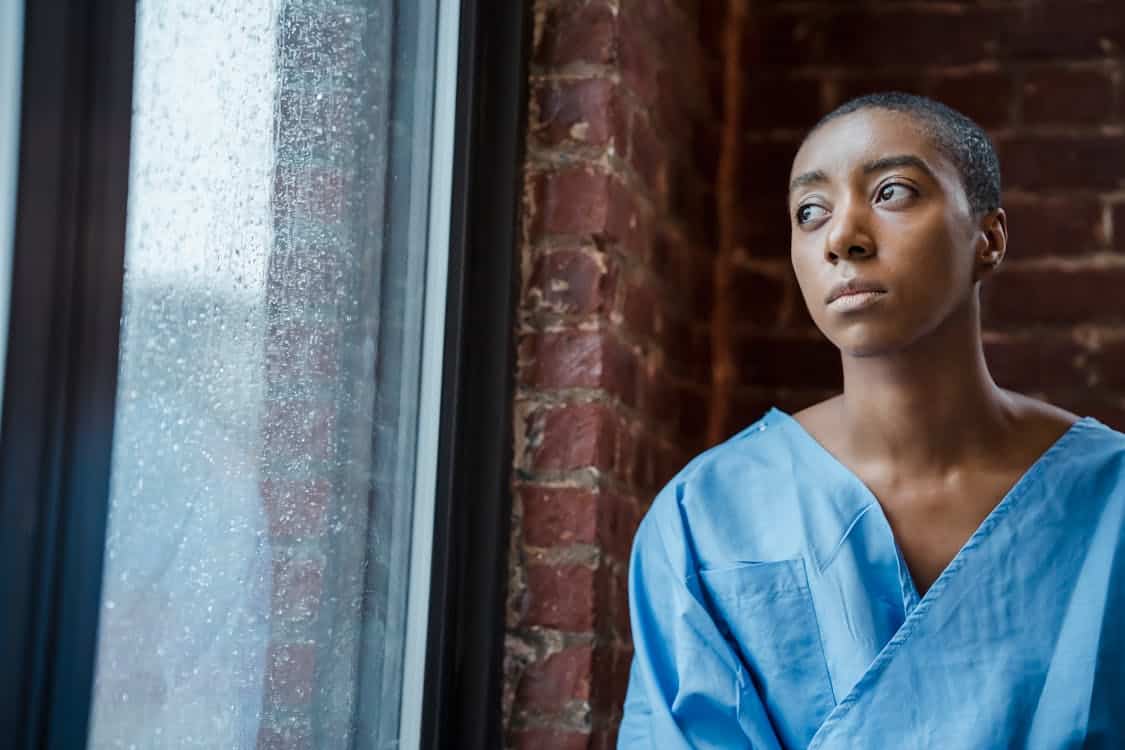
But the mechanisms extend beyond tumor biology. Socially isolated cancer patients are less likely to adhere to treatment protocols, attend follow-up appointments, or seek medical attention when new symptoms develop. They experience higher rates of depression and anxiety, which further compromise immune function and reduce motivation for self-care. The result is a vicious cycle where isolation worsens outcomes, which in turn deepens social withdrawal.
The protective factors identified in recent research are telling. Being married or partnered, being employed or in school, and being female all correlate with lower social isolation risk among cancer survivors. These aren’t random demographic variables – they represent structured sources of regular social contact and perceived social obligation that keep people embedded in supportive networks even when illness makes social engagement difficult.
The Effect Size Is Comparable to Clinical Risk Factors
What’s particularly striking is that the magnitude of the isolation effect appears comparable to traditional clinical risk factors. A 2024 retrospective study examining mortality in cancer survivors ages 50 and older found that roughly one-quarter fell into each of four loneliness categories: none, mild, moderate, or severe. The gradient of mortality risk across these categories was substantial, suggesting that addressing social isolation could yield clinical benefits on par with improving treatment adherence or reducing comorbidities.
Yet standard oncology practice includes virtually no systematic assessment of social isolation. Patients are routinely screened for pain, nausea, fatigue, and depression, but questions about social support networks, frequency of meaningful social contact, or subjective feelings of loneliness rarely appear in clinical protocols. When they do, the information is typically used for psychosocial support referrals rather than being integrated into prognostic assessments or treatment planning.
COVID Made the Problem Impossible to Ignore
The COVID-19 pandemic made this oversight harder to ignore. Lockdowns, visitor restrictions, and social distancing measures that were medically necessary to prevent viral transmission had the unintended consequence of severely exacerbating isolation among cancer patients. The long-term oncology outcomes from this period are only beginning to be analyzed, but early signals suggest the imposed isolation may have measurably worsened survival rates independent of any direct COVID effects.
Cross-sectional research from the Study of Women’s Health Across the Nation, comparing cancer survivors to women without cancer history, found that survivors experienced greater loneliness and social isolation. The causal arrow likely runs in both directions: cancer disrupts social networks through physical limitations and treatment demands, while preexisting isolation may influence both cancer development and post-diagnosis trajectories.
Who’s Most at Risk
Risk factors for cancer-related social isolation are predictable but not always modifiable. Older age, being unmarried, low socioeconomic status, and advanced disease stages all correlate with higher isolation. Physical limitations from cancer or its treatment – fatigue, pain, mobility impairments, cosmetic changes – create practical barriers to social engagement. Psychological distress, particularly feelings of hopelessness or being a burden to others, drives active withdrawal from social networks.
Interventions Exist but Remain Underutilized
Interventions exist but remain underutilized. Peer support groups, both in-person and online, can reduce isolation while providing cancer-specific social support that even close family may struggle to offer. Structured social prescribing programs, where clinicians refer patients to community organizations and social activities, have shown promise in other contexts but remain rare in oncology.
Even simple interventions like ensuring patients have transportation to support group meetings or helping them maintain video contact with distant loved ones can meaningfully reduce isolation.
The challenge for healthcare systems in 2026 is that addressing social isolation requires resources and expertise outside traditional medical domains. Social workers and patient navigators can assess isolation and connect patients to resources, but many cancer centers lack adequate staffing for these roles. Community partnerships with senior centers, religious organizations, and volunteer programs could expand social support networks, but building and maintaining these relationships demands time and institutional commitment.
Time to Reclassify Isolation as a Prognostic Factor
If the emerging evidence is confirmed – and the biological plausibility is strong – then social isolation should be reclassified from a quality-of-life issue to a prognostic factor warranting systematic clinical attention. That shift would require changes to clinical workflows, staff training, quality metrics, and reimbursement models. It would mean recognizing that the question “Who do you live with?” is as clinically relevant as “Have you lost weight?”
The data increasingly suggests that when oncologists talk about comprehensive cancer care, they’re missing a variable. The tumor matters. The treatment matters. And increasingly, it appears the people in the waiting room matter too.