


Long-range winter forecasts are probabilistic, but a wetter El Niño pattern across the southern United States would still matter for West Austin roof maintenance before spring severe-weather season.
The useful connection is not that a wet winter automatically causes more spring hail. It is that additional rain, wind, temperature swings, and repeated wetting can expose existing roof weaknesses before the region enters its normal spring storm window.
NOAA and the Farmers’ Almanac Are Reading the Same Signal
The National Oceanic and Atmospheric Administration’s Climate Prediction Center expects El Niño to be a major influence during winter 2026-27. NOAA’s outlook favors above-normal precipitation across parts of the southern United States, including portions of the Southeast, alongside above-normal temperatures across large stretches of the West and East.
The Farmers’ Almanac, publishing its own independent seasonal forecast, largely agrees on the moisture side. Its 2026-27 winter outlook describes an active storm track running from Southern California and the Desert Southwest through Texas, the Gulf Coast, and the Southeast.
That outlook frames El Niño as an important influence through the heart of the season, favoring wetter-than-normal conditions across much of the southern United States. The two forecasts diverge on temperature, with the Almanac calling for occasional cold air intrusions against a milder overall backdrop.
The Farmers’ Almanac forecast also describes mixed precipitation types when cold air overlaps with plentiful moisture. Sleet or freezing rain becomes possible rather than the region’s more typical winter mix, and that combination is hard on roofing systems since ice and freeze-thaw cycling stress materials in ways ordinary rain doesn’t.
Neither forecast treats this as a marginal El Niño event. Both call it a significant driver of the coming season, and the overlap between an independent almanac forecast and a federal agency’s climate model output is drawing attention from meteorologists watching the Gulf Coast and Texas specifically.
Why a Wetter Winter Matters to an Older Roof
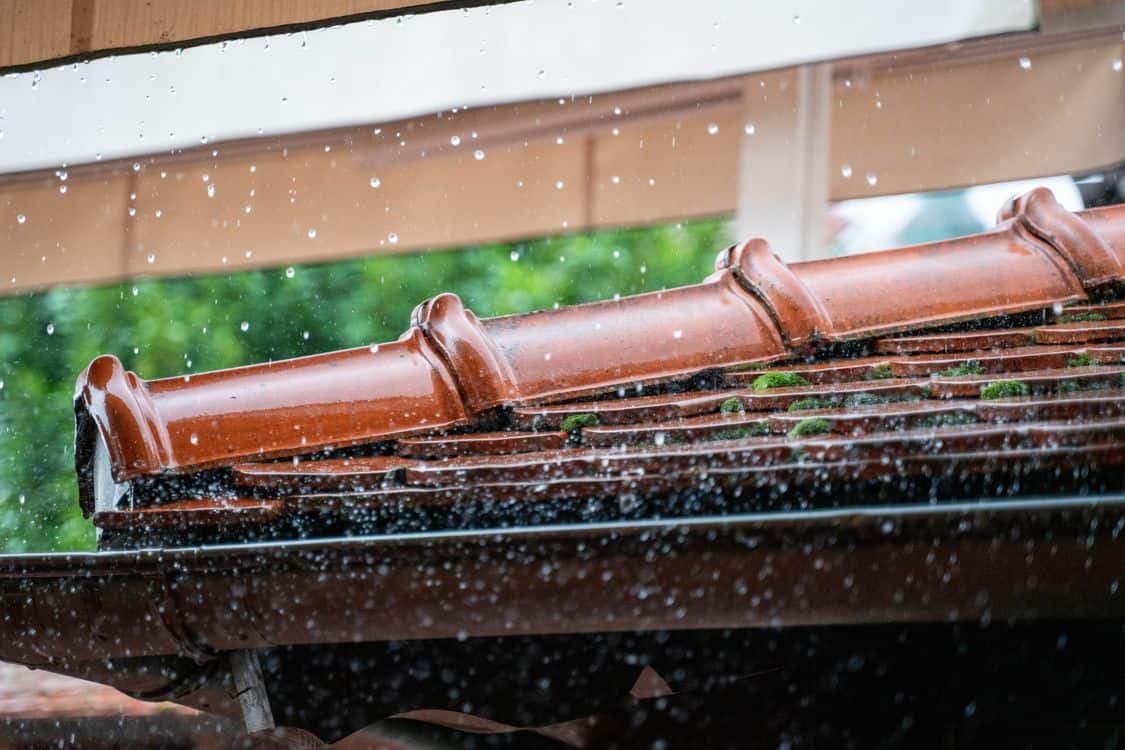
Repeated rain can expose failing flashing, deteriorated sealant, clogged drainage paths, damaged pipe boots, and other weak points that may stay hidden during a long dry stretch. For roofing in Austin, a wetter winter is mostly a maintenance signal: more chances for existing flashing, drainage, or sealant problems to reveal themselves.
Temperature swings add another stress. When wet roofing materials move through warm afternoons and colder nights, small existing defects can become easier to spot even without a major freeze.
El Niño winters do not produce identical outcomes every year. A wetter seasonal signal raises the value of maintenance; it does not guarantee roof damage.
The agreement between forecasts is useful mainly as a planning cue. Homeowners can inspect vulnerable details before months with a higher probability of repeated precipitation.
More opportunities for rain simply give an existing leak more opportunities to reveal itself, whether or not service-call volume follows a predictable pattern from one winter to the next.
Older roofs tend to show the compounding effect first. A system nearing the end of its expected service life has less margin to absorb an unusually wet winter before spring hail or wind finds the point of failure.
What the Timeline Looks Like for West Austin Homeowners
If the wetter pattern develops during winter 2026-27, it would arrive before Central Texas’s usual spring severe-weather season. Those are separate weather risks, but they occur back-to-back on the maintenance calendar.
Homeowners with roofs already showing wear, particularly those that went through the hail events of recent Austin-area storm seasons, are the most exposed to a compounding effect. A winter of sustained moisture exposure ahead of another active spring is a different risk profile than either season would present alone.
Seasonal outlooks get refined as winter approaches. NOAA’s Climate Prediction Center updates its forecasts monthly, and the picture for spring 2027 will sharpen once the winter pattern is actually underway.
For now, the practical takeaway is a wetter-winter maintenance plan: clear drainage, check flashing and penetrations, look for interior signs of moisture, and address known damage before spring.
Homeowners aren’t without options between now and next spring. A winter inspection ahead of the wettest months, rather than waiting until storm damage forces the issue, gives a roofing system its best shot at making it through both seasons intact.
Central Texas roofs already face enough weather variability that preparing for moisture is more useful than trying to predict the next hail season months in advance.