


Alloy pipes are a cornerstone of many oil and gas projects, offering a reliable way to move fluids under challenging conditions. Their material choices influence safety outcomes, maintenance rhythms and capital planning in substantial ways.
Project teams that align metallurgy with operating environments reduce unexpected outages and extend asset life. Practical field experience shows that upfront material selection can shave downtime and improve overall cost profiles.
1. Corrosion Resistance And Extended Service Life
Alloy pipes often contain elements that resist common forms of corrosion found in oil and gas fields, such as pitting, crevice attack and sulfide stress cracking. That chemical resilience slows degradation and stretches the intervals between repairs and replacements in both topside and subsea systems.
In sour service and saline environments the right alloy stands its ground where ordinary steels would show rapid loss of section and compromise integrity. Over time that steady performance translates into fewer workovers and clearer planning for field maintenance.
The ability to choose an alloy that suits the fluid chemistry allows engineers to tailor systems rather than rely on frequent protective schemes or coatings. Corrosion control can then be achieved by material selection plus prudent use of inhibitors and cathodic protection when needed, creating a layered defense.
Field crews notice the difference when inspection reports show minimal metal loss and weld zones remain stable under stress. The result is more predictable life cycles and reduced intervention rates.
2. High Strength To Weight Ratio
Many alloy pipes provide tensile properties that let designers specify thinner wall thickness while keeping required safety margins intact. That makes piping easier to handle on site and reduces the mass load carried by supports and structures.
Transport and lifting logistics become simpler when each spool is lighter, which often trims installation time on remote platforms and long pipeline pulls.
From a design perspective, selecting an Alloy 825 pipe can give engineers more flexibility by combining strength with resistance to aggressive process fluids. Less weight on a structure can also reduce secondary costs such as foundation work or reinforcement.
The strength advantage also supports longer unsupported spans and allows for more compact routing when space is tight. On offshore platforms where deck real estate is at a premium, being able to route supply lines with smaller footprints matters.
Fabricators gain flexibility in spool design because stronger alloys permit alternative joining and support schemes that would not be viable with lower grade steels. In the end the net effect is a combination of lower handling cost and improved engineering options.
3. Performance Under Temperature And Pressure Extremes
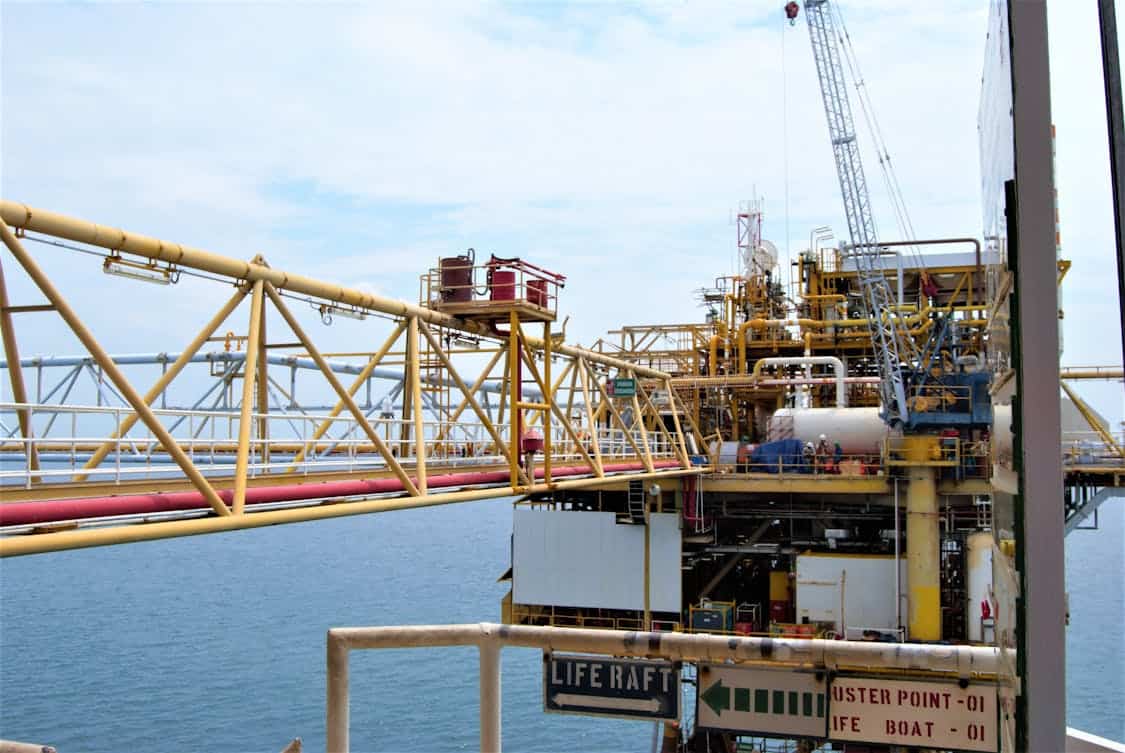
Alloy pipes are chosen for their predictable behavior across wide temperature ranges and under significant internal pressure. In high temperature service the right alloy resists creep and maintains toughness, avoiding early deformation that could lead to leaks.
Low temperature toughness is important in Arctic or deep sea projects where brittle fracture must be avoided at startup and during shut down. Reliable mechanical performance reduces the need for conservative oversizing and gives operators confidence in pressure retention.
Pressure cycling and rapid transients are common in production lines and processing trains and alloys that resist fatigue and stress concentration perform better over time. Repeated loading can open up microcracks in lesser materials, while many alloys are engineered to blunt crack propagation and tolerate cycles.
That attribute lowers the likelihood of unscheduled shutdowns prompted by small defects that grow into larger failures. Regular integrity checks still matter but the underlying material buys time and margin.
4. Fabrication Friendly Properties And Welding Behavior
Many modern alloys take fabrication realities into account so that weldability, bendability and threading are predictable during shop work and field execution. Weld procedures can be qualified with clear heat input windows and consumable choices, which keeps quality control tight and reduces rework.
Fit up and non destructive testing become routine when material response to welding is known and stable. That efficiency shortens fabrication loops and lets yards meet delivery dates with fewer surprises.
Field joining and repair work also benefit when alloys accept common welding processes and when post weld heat treatments are well understood. Technicians can execute repairs quickly using established procedures and testing protocols, which keeps lines in service or returns them to service faster.
Training and tooling requirements remain reasonable, which helps crews work safely under pressure. The practical upshot is less time tied up in welding trials and more time moving the project forward.
5. Cost Efficiency Over The Project Lifecycle
While alloy pipes may have a higher initial price per meter compared with basic carbon steel, the total cost picture looks different when operating expenses and downtime are included. Lower inspection frequencies and fewer replacements shrink maintenance budgets through the life of the installation.
Reduced failure rates lessen the risk of costly environmental events, regulatory fines and lengthy production losses. On many projects the investment pays back in reduced intervention and improved production uptime.
Procurement strategy that factors in life cycle economics often finds alloy selection to be an economical choice when projected fluid chemistry and loading are realistic. Financial models that account for repair windows, planned outages and spare inventory show clearer value when material durability is part of the calculation.
Operators can redirect saved funds toward productivity improvements or risk mitigation measures that add further resilience to a field. When analysis is honest and comprehensive the picture often favors alloys for challenging service.