

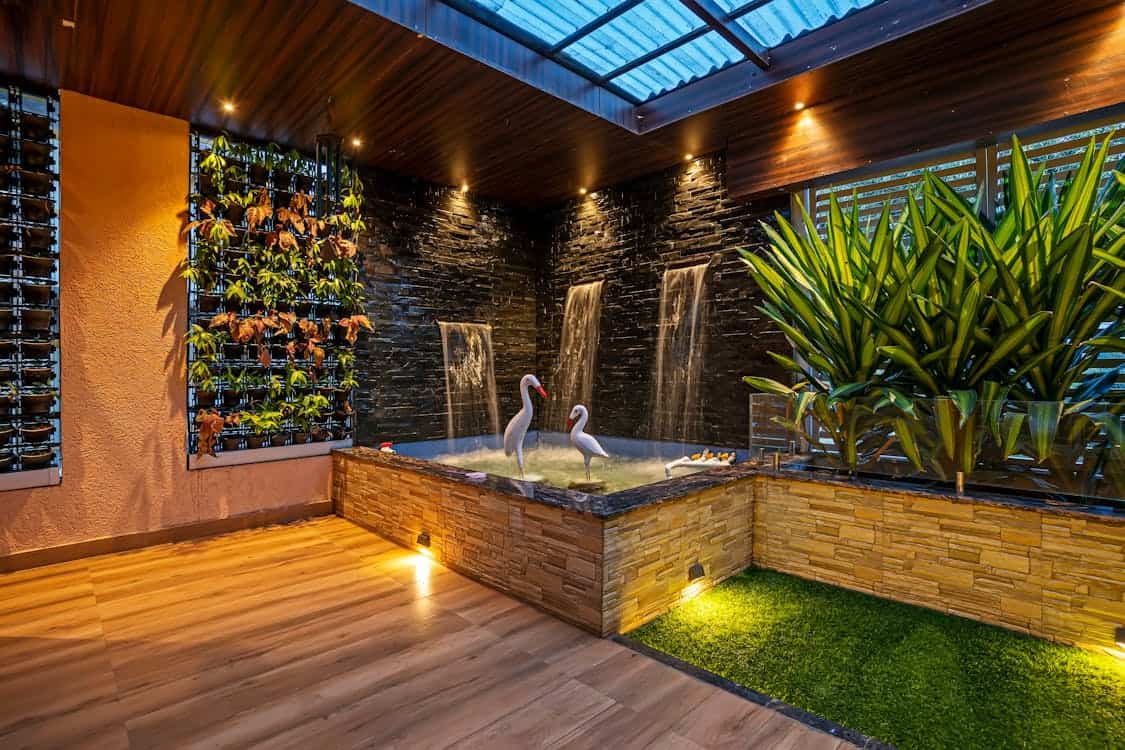
A well lit patio transforms evening hours into moments that linger long after the sun has set. Thoughtful light can make a small veranda feel roomy and a broad terrace feel intimate at the same time.
The interplay of brightness and shadow guides movement and highlights favorite spots without shouting for attention. Practical tips and creative ideas help anyone shape outdoor light that fits both lifestyle and budget.
Light Layers And Purpose
Good outdoor light begins with a plan that separates general light from task light and accent light. General light provides safe visibility for most activities while task light targets eating areas and prep surfaces with more focused output.
Accent light draws the eye to feature elements such as artwork or textured walls and adds drama without overwhelming the setting. Balancing these roles keeps the scene useful and pleasant for extended evenings.
Choosing The Right Fixtures
Fixture choice sets the tone before a bulb is switched on so pick forms that match the space and materials. Modern outdoor lighting features for backyards can make a noticeable difference here, especially when you want to combine style with functionality in a way that feels seamless and up to date.
String lights and globe pendants give a relaxed tone while flush mounted fixtures and wall sconces read as tidy and modern. Fixtures with covered bulbs soften glare and cast friendlier pools of light that make faces easy to read. Durable mounting and wiring that meets safety rules pay off in years of trouble free use.
Bulb Types And Color Temperature
Light source selection affects energy use and how colors appear on plates and plants outdoors. Modern LED bulbs offer long life and come in warm and cool tones that are measured in Kelvin numbers for clarity.
Warmer tones feel inviting for dining areas while slightly cooler tones work well for prep spots and paths where higher contrast helps. Choosing the right lumen output keeps fixtures from being too bright or too weak for their role.
Placement And Light Direction
Where a fixture sits and which way it points determines the presence of glare and the quality of shadows. Eye level lights can wash faces in flat illumination so place some fixtures higher to provide softer down light and mount others low to create interesting texture.
Aim accent lights up to reveal branches and down to trace steps while keeping light spill away from neighboring windows. Thoughtful placement makes a compact space feel layered instead of flat.
Energy Efficiency And Controls
Keeping run costs low and operation simple means pairing efficient lamps with practical controls. Timers and simple dimmers cut watt hours and let you tune scenes for a relaxed meal or a lively gathering.
Smart modules add remote control and scheduling for those who like remote convenience without fuss. Small adjustments to runtime add up over seasons and spare storage and replacement headaches.
Creating Mood With Light Scenes
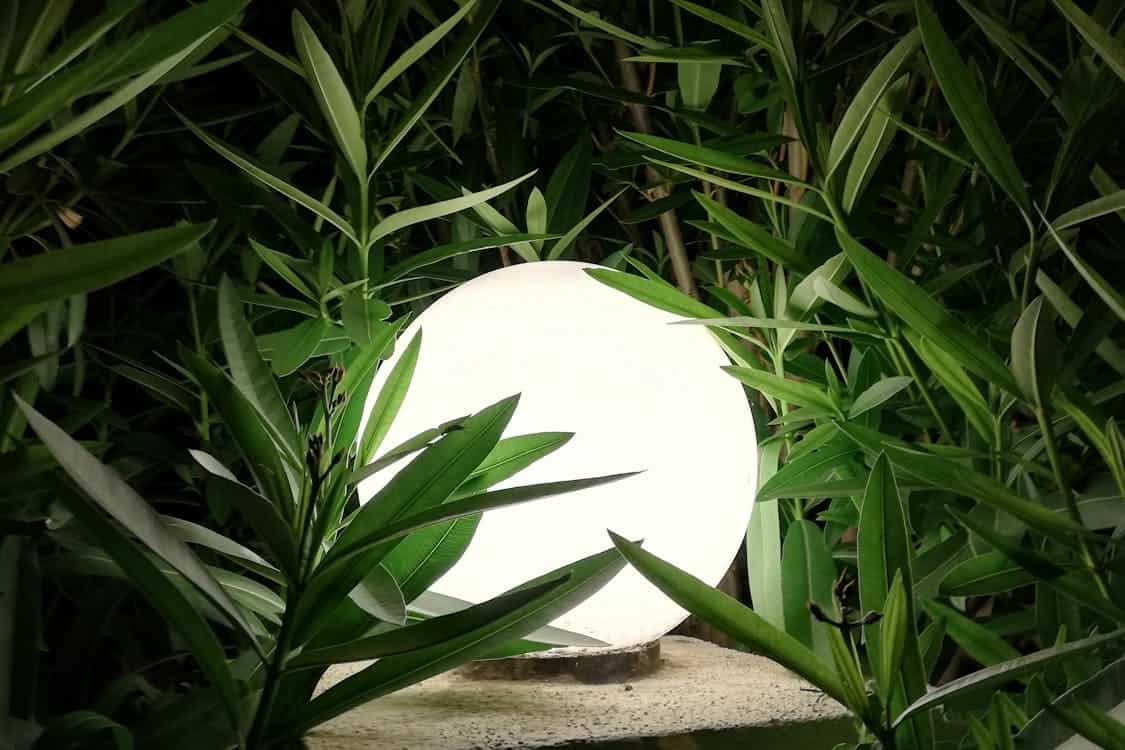
A set of prearranged scenes lets the same fixtures serve many uses from a quiet night to a lively party. Dimmed fixtures and warm tones reduce contrast and bring a sense of calm while brighter settings restore alertness for games or cleaning.
Layered control that groups fixtures makes it easy to light one zone while keeping others low and subtle. A few well chosen scenes give more flexibility than many single purpose fixtures.
Safety And Code Considerations
Outdoor wiring and fixtures must meet local electrical codes and keep moisture out of connections under all weather conditions. Look for enclosures rated for wet locations and use ground fault protected circuits for any outlet near water.
Path lighting should offer clear definition without creating trip shadows and steps must be lit to reveal risers. Following the rules cuts risk and frees you to focus on creative choices rather than fixes.
Outdoor Materials And Durability
Fixtures live a tougher life outside so metal finishes and plastics should resist rust and sun damage. Choose brass, stainless steel or treated aluminum for coastal spots and UV stable polymers where heat and sun are strong.
Fasteners and wiring that tolerate water and freeze thaw cycles save service calls after winter weather. A modest maintenance plan keeps finishes looking smart and bulbs operating at steady brightness.
Integrating Lighting With Garden Plantings
Light can reveal plant form and texture after dusk while keeping beds healthy and insect friendly. Use low intensity uplights to accent tree trunks and place shielded down lights to wash planting beds with gentle color and shadow.
Avoid bright cool light on flowering beds that can confuse pollinators and stress delicate foliage in extended hours of glow. Thoughtful placement turns greenery into a third dimension of the room rather than a backdrop that disappears at night.
Maintenance And Long Term Care
Routine checks catch loose fittings and corroded connectors before they become unsafe or costly to repair. Clean lenses and shades often enough to keep beam patterns consistent and swap bulbs in groups when brightness drops noticeably.
Store seasonal fixtures and cords indoors when winter conditions are harsh and inspect seals on weather rated enclosures each spring. A little attention every few months keeps a setup working and looking its best for many years.