


In today’s fast-paced business environment, organizations often find themselves weighing the benefits of selling equipment against the desire to retain its use.
This balancing act is crucial for companies looking to maximize their assets while maintaining operational efficiency. Let’s explore how this can be achieved.
Understanding Equipment Ownership vs. Usage
When a company owns equipment, it has complete control over its utilization. Ownership allows for flexibility in usage, maintenance, and upgrades.
However, in some cases, assets may become underutilized. Selling equipment could free up capital, but it also raises the question of whether it is possible to retain access to that equipment after the sale.
The Concept of Sale-Leaseback
One popular strategy to retain usage rights is the sale-leaseback arrangement. In this scenario, a company sells its equipment to a buyer and then leases it back for continued use.
This approach allows the seller to convert the asset into cash while still maintaining the ability to operate with it. If this sounds appealing, you may want to explore an equipment sale leaseback arrangement to unlock capital without sacrificing functionality.
Benefits of Sale-Leaseback
The sale-leaseback method can offer numerous advantages. First, it provides immediate liquidity, which can be reinvested into core business activities. Second, it can create tax benefits, as lease payments are often deductible. Finally, it allows businesses to avoid the headaches of equipment ownership, such as maintenance and depreciation.
Potential Downsides
However, there are some caveats to consider. Lease payments can add up over time, potentially becoming more expensive than ownership in the long run.
Furthermore, the terms of the lease can limit flexibility. Companies need to weigh these factors carefully before proceeding.
Utilizing Equipment Sharing Models
Another innovative approach involves equipment sharing models. These arrangements allow multiple businesses to share the same equipment, reducing ownership costs while still providing access to the tools needed for operations.
How Equipment Sharing Works
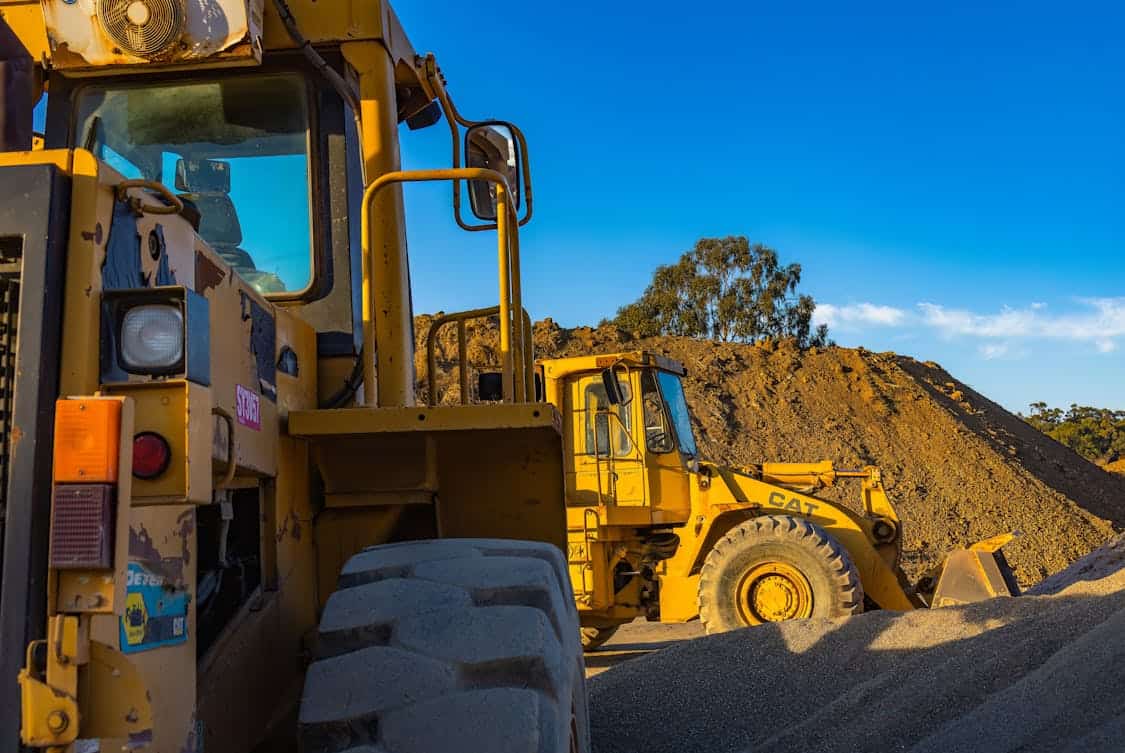
In a sharing model, companies can either enter into partnerships or utilize platforms that facilitate the sharing of equipment. This can be particularly beneficial for specialized machinery that may not be needed constantly.
Advantages of Sharing
Companies that share equipment can drastically reduce costs associated with ownership. Maintenance responsibilities can also be shared, leading to lower overall expenses. Additionally, businesses can access high-quality equipment without the financial burden of outright purchases.
Considerations for Equipment Sharing
While sharing can be cost-effective, it’s important to consider the reliability and availability of the equipment. Companies must establish clear agreements outlining responsibilities and usage terms to avoid potential disputes.
Exploring Equipment Financing Options
In some cases, businesses may opt to finance equipment rather than purchase or sell it outright. Financing allows for the acquisition of equipment while preserving the cash flow necessary for daily operations.
Types of Equipment Financing
Various financing options exist, including loans, leases, and lines of credit. Each option has unique terms and implications on ownership and usage rights.
Calculating the Costs
When considering financing, businesses should carefully analyze interest rates, repayment terms, and any additional fees. Understanding the total cost of financing versus purchasing outright can guide decision-making.
Assessing Equipment Trade-Ins
Another method to retain equipment use while gaining financial benefits is through trade-ins. Companies can trade in older equipment as part of a purchase agreement for new machinery.
Understanding Trade-In Value
Not all equipment will hold significant trade-in value. Companies should assess the condition and market demand for their equipment. Sometimes, selling standalone might yield better returns than a trade-in.
Maintaining Operations
A trade-in allows businesses to upgrade their equipment while minimizing downtime. However, it’s crucial to have a plan in place to ensure ongoing operations during the transition.
The Impact of Technology on Equipment Ownership
With the rise of advanced technologies and automation, businesses are increasingly evaluating the need for equipment ownership. Technological advancements can lead to rapid obsolescence, prompting companies to rethink traditional ownership models.
Embracing Subscription Services
Many companies now offer subscription services for equipment use. This model allows businesses to use high-tech machinery for a monthly fee, eliminating the need for ownership.
Staying Competitive
Subscription services can provide access to the latest technology without the financial strain of major purchases. This could be a game changer, particularly for startups and small businesses that need to stay competitive in a crowded market.
Legal Considerations in Selling Equipment
When selling equipment while retaining usage, businesses must navigate various legal considerations. These include drafting solid contracts, adhering to local regulations, and understanding liability implications.
Drafting a Solid Contract
Contracts should clearly outline the terms of use, responsibilities, and any limitations on the equipment. Legal counsel can help ensure that all aspects are covered to protect both parties.
Understanding Local Regulations
Depending on the type of equipment and industry, local regulations may dictate how equipment can be sold or leased. It’s essential to remain compliant to avoid legal pitfalls.
Evaluating Your Business Needs
Before deciding to sell equipment, businesses should conduct a thorough evaluation of their operational needs. Understanding the role of specific equipment in daily activities is vital for making informed decisions.
Analyzing Usage Patterns
By analyzing usage patterns, businesses can determine which equipment is essential and which may be underutilized. This data-driven approach can lead to better decision-making regarding sales, leases, or sharing.
Future-Proofing Your Business
Thinking long-term is critical. Businesses should consider whether they might need certain equipment in the future and how selling now could impact growth or scaling efforts.
Financial Implications of Selling Equipment
The financial ramifications of selling equipment can be significant. Selling can provide immediate cash flow, but it’s essential to consider the long-term financial picture.
Immediate Cash Flow vs. Long-Term Costs
While selling equipment can boost cash flow instantly, ongoing costs associated with leasing or sharing must be factored in. Businesses should calculate the total costs associated with each option to make an informed choice.
Tax Implications
Selling equipment can also have tax implications. Companies should consult with financial advisors to understand how selling or leasing affects their tax situation.