

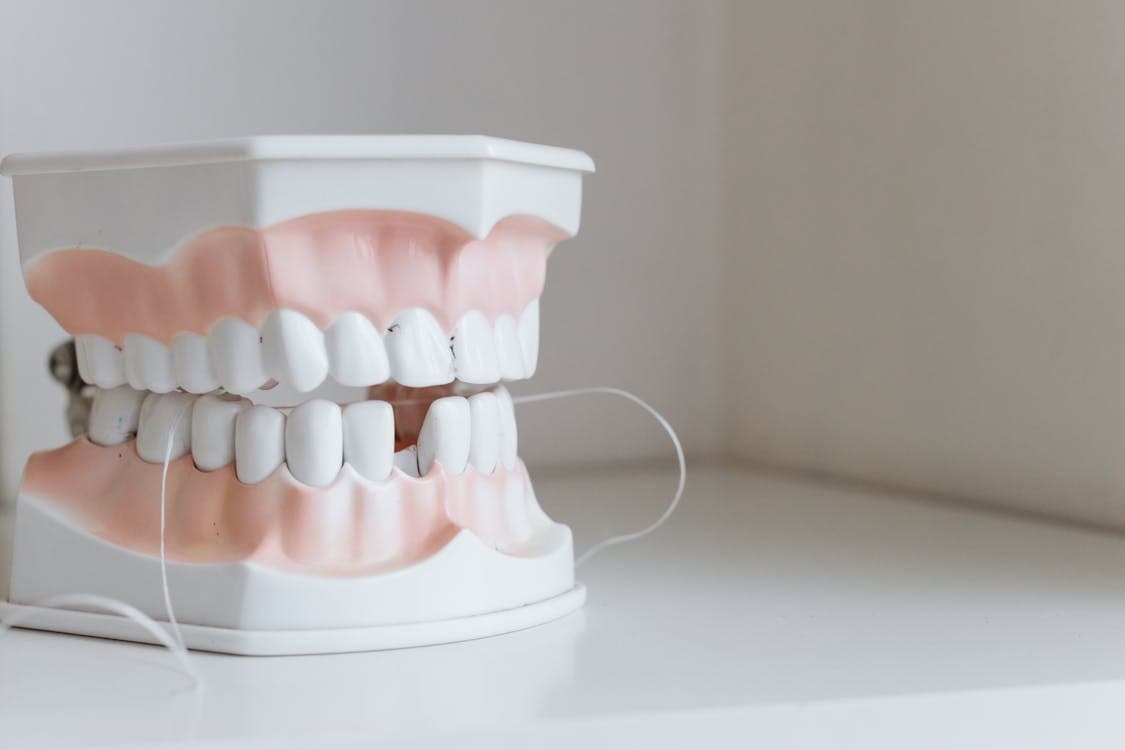
Most people understand tooth loss as an event — a tooth is extracted, a gap appears, and the visible consequence is a change in how the smile looks.
What the data shows is that the visible event is the beginning of a much longer process, one that unfolds in the bone beneath the gum line and that most patients never have explained to them in a way that would change how urgently they respond to it.
The disconnect between what dentistry knows about the bone consequences of tooth loss and what patients actually understand about those consequences is one of the more consequential gaps in oral health literacy in the United States.
The starting point for understanding the scale of the problem is the CDC’s periodontal disease surveillance data. The agency’s most current oral health reporting estimates that approximately 42.2 percent of U.S. adults over the age of 30 have some form of periodontal disease — including 7.8 percent with severe periodontitis. Among adults 65 and older, that figure rises to roughly 60 percent.
Periodontal disease is, alongside tooth decay, one of the two leading causes of tooth loss in adults. Its prevalence means that the majority of tooth loss happening in the United States right now is not the result of accidents or isolated decay. It is the downstream consequence of an inflammatory condition that could often have been interrupted earlier, and whose bone consequences extend well beyond the tooth that is eventually lost.
What Periodontal Disease Does to Bone Before the Tooth Goes
Periodontal disease does not just loosen teeth. It actively destroys the bone that supports them.
The inflammatory process of advanced periodontitis triggers the body’s immune response in the periodontal ligament — the connective tissue attaching the tooth root to the surrounding bone — and that immune response, over time, stimulates bone-resorbing cells called osteoclasts. The result is progressive loss of the alveolar bone that holds the tooth in place. In moderate and severe cases, this bone loss is visible on dental X-rays as a measurable reduction in the height of the bone around the affected teeth.
This means that by the time a tooth is lost to periodontal disease, the bone that surrounded it has already been compromised. The patient who loses a tooth to gum disease is not starting with a full complement of bone that will then slowly resorb after extraction — they are starting with a ridge that has already undergone some degree of destruction.
This distinction matters for planning tooth replacement. A patient who loses a tooth to trauma in a mouth with healthy bone has a different prognosis for implant placement than a patient who loses a tooth after years of periodontal disease has reduced the surrounding bone volume. Both patients can often be treated successfully with implants, but the second patient may require bone augmentation procedures before implant placement is advisable.
Understanding that the disease process itself — and not only the extraction — contributes to the bone deficit helps patients understand why early intervention matters and why waiting to address a periodontal situation typically makes the eventual treatment more involved.
The Cascade That Follows Tooth Loss
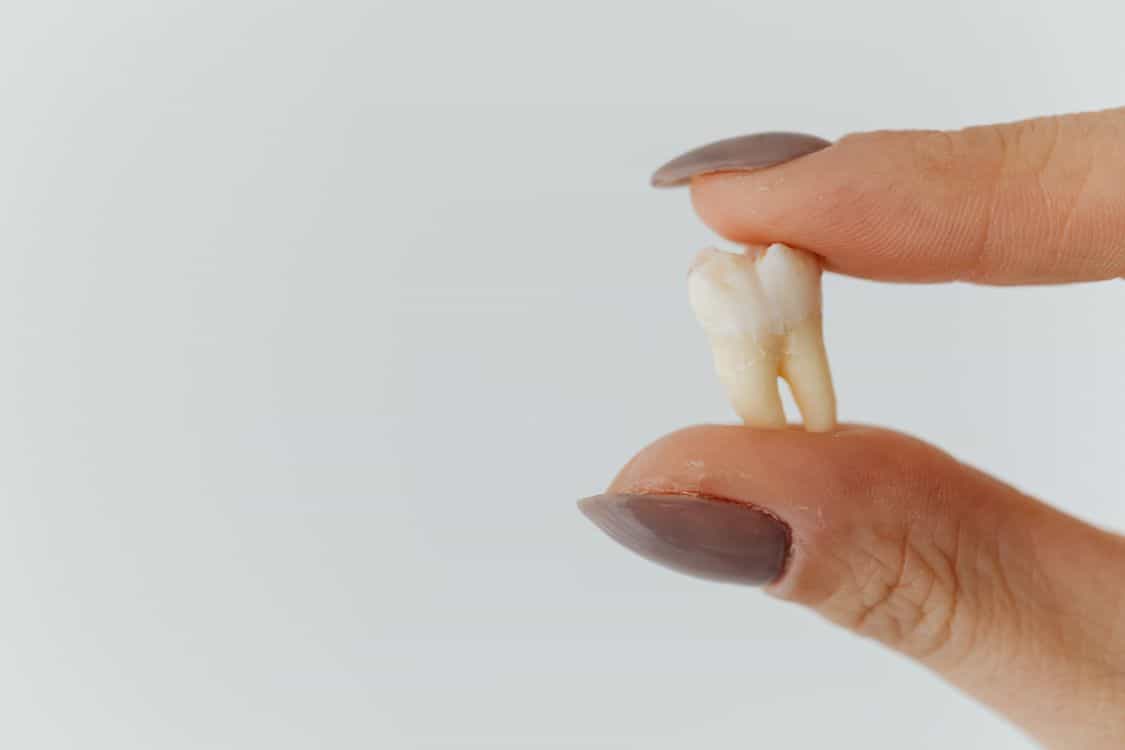
After a tooth is lost — whether to periodontal disease, decay, or trauma — the bone that supported its root enters a resorption process driven by the absence of mechanical stimulation from chewing. Studies have documented bone width losses of two to four millimeters in the first six months following extraction, with further losses continuing over the years that follow.
Within twelve months, many patients have lost a significant proportion of the ridge width that once held their teeth. The ridge that remains is flatter, narrower, and less capable of supporting a stable denture or — in cases where bone loss is severe — a standard-length implant without prior augmentation.
For patients who have already lost multiple teeth and are managing with removable dentures, this process is ongoing. The CDC notes on its oral health page that periodontitis is not reversible — it can be slowed and managed with professional treatment, but the bone that has been lost does not regenerate on its own.
Patients who have been wearing dentures for five or ten or more years are, in most cases, sitting on significantly less bone than they had when their teeth were extracted. The longer they have been in that situation without implant-supported stabilization, the more extensive the bone deficit becomes.
A patient who lost teeth to periodontal disease five years ago and has been wearing a removable denture since is dealing with at least two distinct sources of bone loss: the disease-related destruction that occurred before and around the time of extraction, and the ongoing post-extraction resorption that has been progressing during the years of denture wear. Each layer of loss compounds the planning requirements for implant-supported restoration.
What Patients Should Understand Before Their Next Consultation
The gap between what the CDC’s surveillance data shows about periodontal disease prevalence and what most patients understand about the bone consequences of that disease is not a failure of dentistry. It is a failure of translation — a gap between what clinicians know and what gets communicated in the time available during a standard appointment.
The result is patients who lose teeth, get fitted with a denture, and are told to come back if it starts fitting poorly. What they are not typically told is that the fit deterioration they will experience is inevitable, progressive, and a direct reflection of bone loss that is happening whether they can feel it or not.
Patients who understand the cascade — tooth loss triggers bone resorption, bone resorption changes the jaw anatomy, changed anatomy makes dentures fit poorly — are patients who understand why acting sooner produces better outcomes than waiting.
The bone that exists today is more than will exist in a year. The treatment that is possible today may require additional steps in a year that it does not require now. That is not a sales argument. It is a biological reality documented across decades of research. The CDC’s numbers on periodontal disease prevalence are the front end of that story. The bone consequences are the back end that most patients never quite hear.