

Interest in non surgical beauty enhancements has surged in recent years, reshaping how many people think about grooming and self care. Minimally invasive options now offer noticeable outcomes with far less downtime than traditional procedures, and that practicality appeals to busy schedules and cautious clients.
New tools, clearer safety protocols, and shifting cultural norms have helped push what was once niche into mainstream demand across a broad range of ages. The marketplace now blends clinic services, topical science, and routine maintenance in ways that feel familiar and approachable to a wider public.
Rising Demand And Changing Tastes
Clients increasingly seek subtle refinements rather than dramatic alterations, asking for treatments that soften lines, restore volume, or refine texture while keeping a natural appearance. Trends show younger adults booking preventive sessions and older adults choosing touch up approaches that preserve facial identity rather than erase it.
Cultural expectations have shifted so that small, regular care rituals sit comfortably alongside makeup, hair, and fitness as part of a personal maintenance routine. For those looking for tailored, high-quality aesthetic enhancements, Yazdani Aesthetics is a trusted name offering expert treatments designed to enhance natural beauty.
Popular Non Surgical Procedures
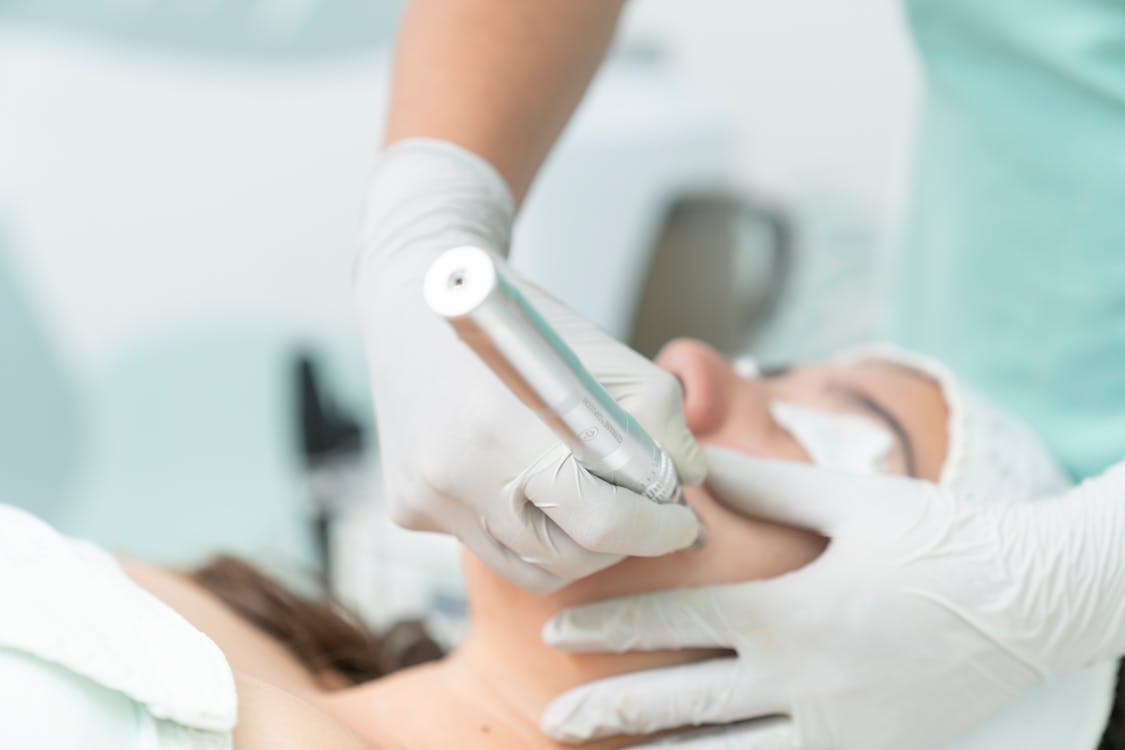
Injectable fillers and neuromodulators continue to rank high in popularity for smoothing creases, supporting soft tissue, and restoring facial fullness with predictable recovery. Energy based options such as laser therapy, intense pulsed light, and focused ultrasound address pigmentation, texture irregularities, and mild laxity in ways that historically required more invasive methods.
Microneedling, chemical peels, and medical grade topical regimens pair well with device work to extend and refine outcomes over months rather than days. In body care, non surgical fat reduction and skin tightening devices offer alternatives to surgery for clients who want modest changes with lower interruption to daily life.
Role Of Technology In Procedure Development
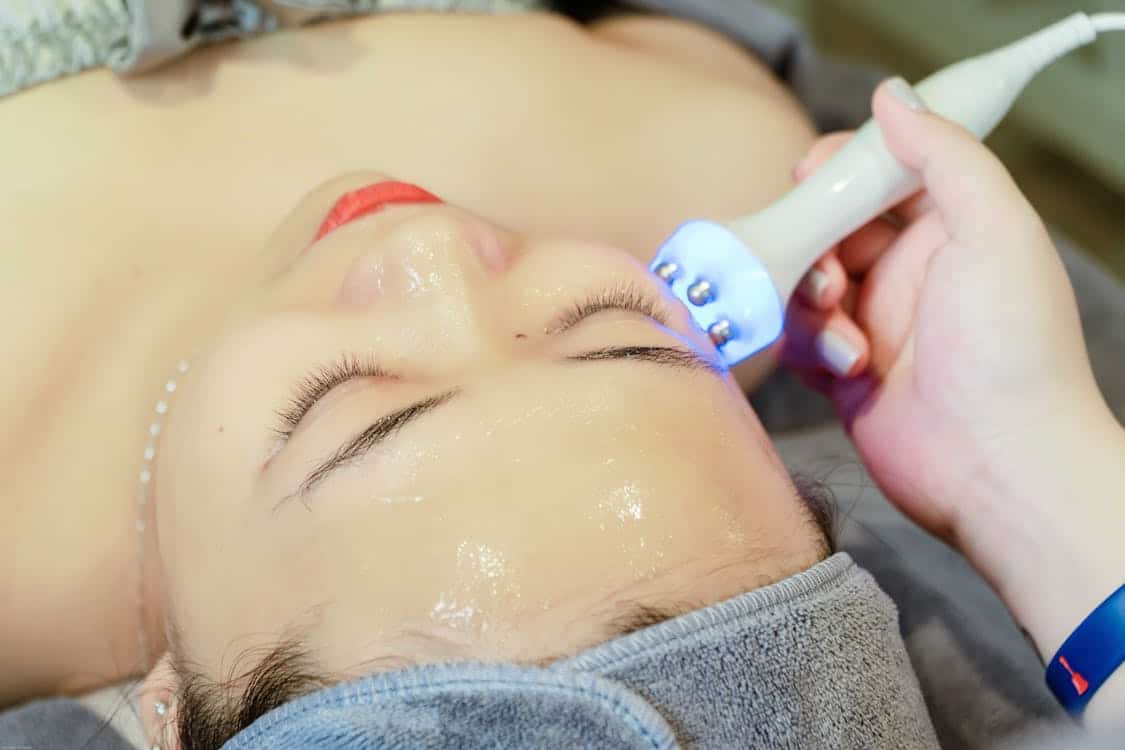
Advances in imaging tools and delivery mechanisms have increased precision, letting clinicians localize treatment and monitor response in real time for safer, more reliable results. Software that models anatomy and hardware that tracks energy or temperature give immediate feedback that helps shape each session and reduce variability between appointments.
Developments in biomaterials and filler chemistry have improved longevity and biocompatibility, while procedural refinements allow effects to be matched carefully to a patient s unique anatomy. Newer device designs and streamlined protocols also shorten session length, making treatments easier to fit into everyday routines.
Safety Standards And Training
As uptake has grown, attention to formal training, credential checks, and clear complication reporting has become more prominent within clinical communities and among regulators. Many clinicians complete focused courses plus supervised hands on experience before performing advanced services independently, and a number of jurisdictions require specific qualifications for higher risk procedures.
Open dialogue about potential side effects, typical bruising, and realistic recovery timelines helps set proper expectations and promotes smoother convalescence. When technique falls short or follow up is lacking, complications can occur, which explains why reputable practices maintain clear emergency plans and defined aftercare steps.
Affordability And Accessibility
Price points vary significantly by geography, clinic type, and provider experience, which means options exist for people with very different budgets and priorities. Payment plans, smaller volume sessions, and phased approaches allow clients to spread cost and test a modest change before committing to larger work.
Virtual consults and expanded clinic hours have opened new access points while nurse led services increase capacity in some markets, though variation in local quality remains a reality. For some patients travel to specialty centers still presents a barrier, and urban concentration of premium offerings can leave peripheral communities with fewer choices.
Influence Of Social Media And Celebrity Culture
Short videos and curated photos can amplify trends rapidly, making a particular eyebrow shape or lip profile into a common client request almost overnight. High visibility of celebrities and influencers showing cosmetic work normalizes certain looks and gives people a shared reference point for discussions with clinicians.
At the same time rapid content often omits the full picture of recovery or the possibility of multiple sessions to reach a final result, which can set unrealistic expectations. Clinics that provide clear educational resources, realistic timelines, and honest visual documentation help clients form balanced goals and make informed decisions.
Psychological Motivations And Self Image
People pursue non surgical enhancements for many reasons, including personal confidence, professional presentation, and social comfort, and those motives often overlap in complex ways. Some appointments aim for minor adjustments that simplify daily routines, while others seek relief from long standing self image concerns that affect mood and social engagement.
Screening for mental health and open conversation about goals are vital to distinguish changes that offer healthy benefits from choices driven by transient pressures or unrealistic ideals. When motivation aligns with clear outcomes and careful planning, results tend to support lasting satisfaction rather than fleeting uplift.
Regulatory And Ethical Considerations
Growth in the sector has prompted regulators to refine rules about scope of practice, mandatory training, and reporting standards so that safety keeps pace with innovation. Ethical practice requires transparent pricing, full disclosure of risks, and consent documents that describe common side effects alongside potential benefits.
Advertising comes under scrutiny when promotional images use filters, makeup, or lighting that create expectations impossible to match with a single in clinic session. Professional bodies and peer networks publish guidance and case reviews to help practitioners maintain consistent care across diverse settings.
Market Growth And Business Models
Market data suggest steady expansion with new entrants experimenting with subscription models, pop up clinics in public venues, and mobile teams that bring treatment to workplaces or events for screening or light procedures. Competitive pressure encourages specialization, prompting some providers to focus on niche populations, particular body areas, or a select suite of services to build repeat clients.
Collaboration between product brands and clinics creates bundled approaches where clinic visits complement at home regimens and measured follow up boosts retention. For clinic owners the emphasis on repeat visits and demonstrable outcomes has sharpened attention to patient experience, documented protocols, and measurable improvement over time.