


Laser treatment covers a wide range of procedures that are common in both medical and cosmetic clinics today. Many people want a clear sense of likely outcomes, recovery time, and possible side effects before they book an appointment.
Results differ by the device used, the condition treated, the operator skill, and how the body responds to healing and repair. Below are focused sections that describe typical results for common goals and what patients often notice as the process unfolds.
Types Of Laser Treatments
Clinics use different laser based systems that target tissue in varied ways, such as ablative methods that remove surface layers and non ablative methods that heat deeper tissue without major surface wounding. Fractional approaches deliver energy in a grid style pattern so untreated skin between spots speeds up recovery and supports new collagen formation.
There are also specialized lasers for blood vessels, pigment, hair, and eye tissue, each tuned to an appropriate wavelength and pulse profile. Choosing the right tool for the goal is a balancing act of risk, downtime, and expected improvement.
Skin Rejuvenation And Resurfacing Results
When the aim is smoother tone and fewer fine lines, patients often see visible change after the first treatment, with more pronounced improvement over several months as collagen remodels and skin renews.
If you’re interested in advanced rejuvenation solutions, consider exploring lasers and lights chicago specialists offer for safe, effective, and customized results. Ablative resurfacing gives dramatic change in texture and firmness because it removes old damaged surface tissue while stimulating repair, while gentler non ablative work offers more subtle lifting and glow with less downtime.
Results reflect the energy used, how many treatments are given, and how well a person protects the skin from sun and inflammation during healing. In short, one can expect a gradual evolution that often exceeds expectations when aftercare and patience are part of the plan.
Hair Removal Outcomes
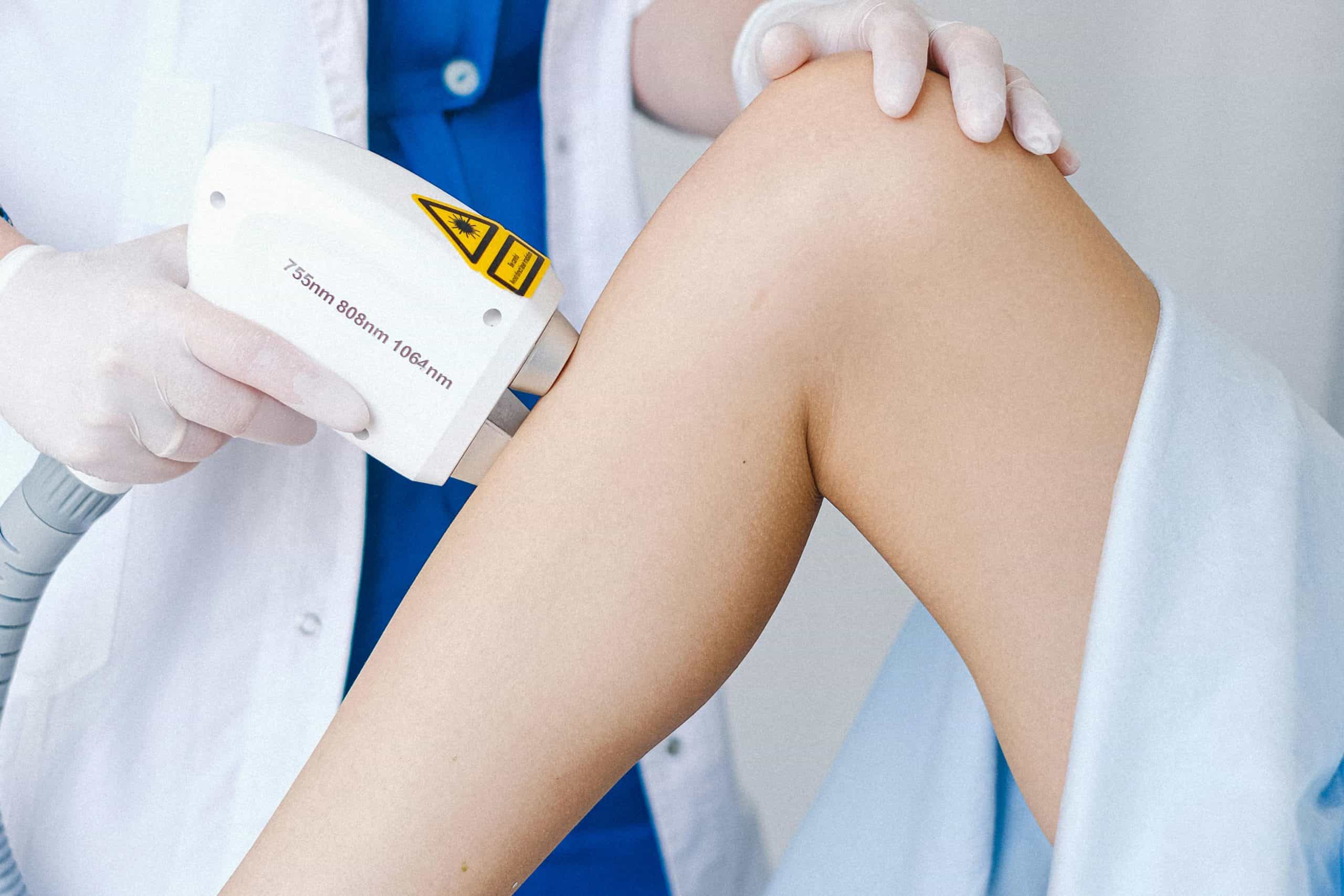
Laser based hair removal can deliver a lasting reduction in hair density and coarseness, and many patients report a significant drop in the need to shave or pluck after a course of sessions. Because hair grows in cycles, multiple treatments spaced over weeks are needed to catch follicles in the active growth phase, and overall success links back to hair pigment and skin tone, with darker pigment absorbing energy more effectively.
Hormonal influence and certain medications can influence regrowth patterns so occasional maintenance sessions may be required to keep results stable. When behavior, device choice, and operator skill are aligned, the outcome often hits the mark and reduces daily grooming effort.
Acne Scar Reduction And Texture Improvement
Laser methods that promote collagen remodeling can soften depressed scars and smooth rough patches by encouraging new tissue to form and by resurfacing the top layer of the skin. Results unfold slowly, with texture shifts noticeable within weeks and continued refinement for many months after treatment as the healing cascade runs its course.
Deeper or older scars often need several sessions and a combined plan that might include fillers, topical regimens, or microneedling to reach a balanced outcome. The repair process needs careful management to avoid excess pigment change and to keep the progress moving forward.
Vascular And Pigmented Lesion Results
Vessels and brown spots that are treated with targeted light often shrink, blanch, or fragment so that the lesion fades over a few weeks after therapy, and many patients experience substantial lightening that improves overall skin uniformity. Some lesions clear completely, while others are reduced in size and intensity but still require touch up care to maintain the gain.
The risk of temporary darkening or lightening of nearby skin exists, so pre treatment planning and conservative energy settings are common when treating darker complexions. Repeated sessions are common because a single pass rarely addresses the full depth or extent of variation in the tissue.
Vision Correction With Laser Procedures
Laser based eye surgery for refractive error can produce rapid gains in vision clarity, with many patients noticing a dramatic change within a day or two, and stabilization over a few weeks. Techniques that reshape the corneal surface relieve or reduce the need for glasses for common prescriptions, and modern platforms allow precise customization that fits an individual eye profile.
Some people still need glasses for low light tasks or for reading later in life, and enhancements can correct residual refractive error if desired. Careful patient selection and realistic expectations are key to a high satisfaction rate and to avoid disappointment.
Recovery Timeline And Long Term Expectations
Immediately after treatment most people experience redness, swelling, or minor irritation that typically settles over a few days for gentle work and over a couple of weeks for deeper resurfacing procedures. Progressive gains in tone, firmness, or clarity show up over weeks and months as repair pathways lay down new tissue and old pigment fades, and sun protection plus good topical care help the result last longer.
Long term maintenance can include periodic refresh sessions or a tailored home routine to preserve gains and to limit setbacks caused by ultraviolet exposure or lifestyle elements. When patients follow aftercare guidance and keep realistic expectations, laser based approaches often lead to meaningful, lasting change.