

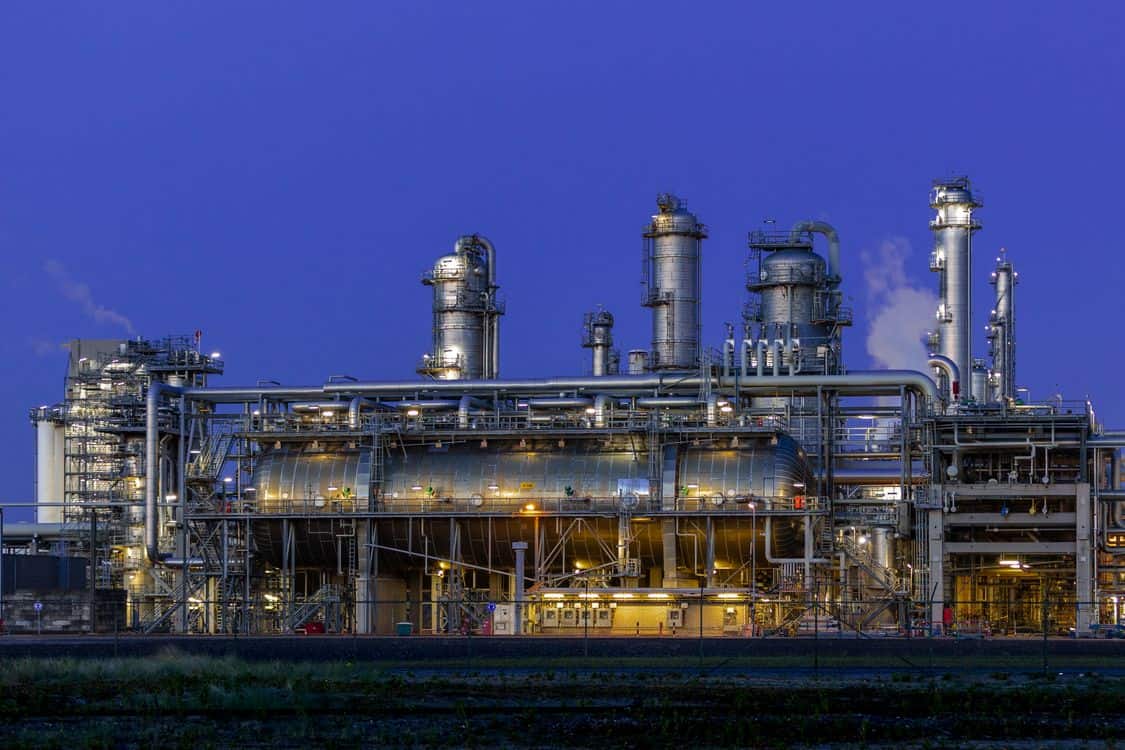
More than a decade after a heat exchanger ruptured at a Washington State refinery, the metallurgical lesson behind that accident is still being written into purchase specifications across the refining world. The lesson is about hydrogen, heat, and the limits of plain carbon steel.
For anyone who buys, fabricates, or inspects refinery pressure equipment, the case is worth revisiting. It explains why chrome-moly plate is not an upgrade refiners splurge on, but a baseline requirement in large parts of a modern plant.
A failure that rewrote the rulebook
In April 2010, a heat exchanger in the naphtha hydrotreater unit at the Tesoro refinery in Anacortes ruptured and ignited, killing seven workers. The U.S. Chemical Safety Board investigated and traced the rupture to high temperature hydrogen attack, a damage mechanism that had quietly cracked and weakened the carbon steel tubing over years of service.
The board did not just fault one operator. It questioned whether the industry’s inspection standards and material choices were keeping pace with the conditions inside hydroprocessing equipment.
That finding landed hard because hydrogen attack is insidious. It works from the inside, where hydrogen reacts with carbon in the steel to form methane, opening fissures and voids that are difficult to catch with routine inspection.
The cleanest defense is not better inspection. It is using a material that resists the mechanism in the first place.
What chromium and molybdenum actually do
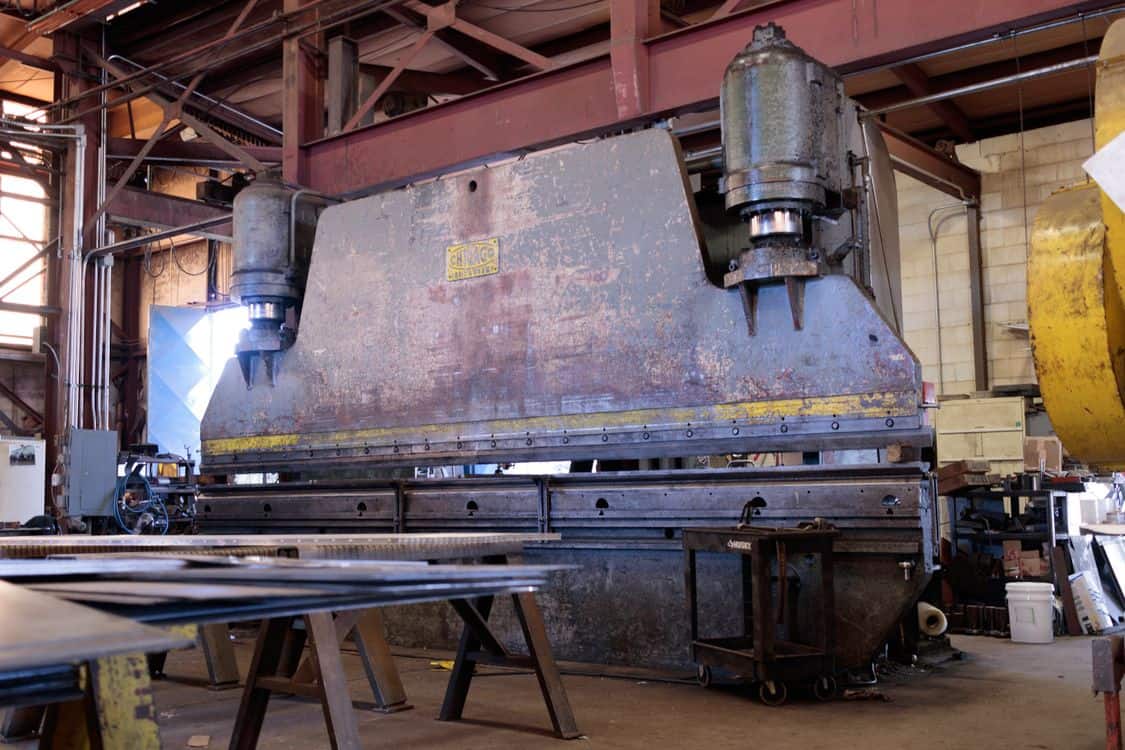
This is the part of the story where low-alloy plate stops being a commodity and starts being engineering. Adding chromium and molybdenum to steel changes how it behaves at high temperature in a hydrogen-rich environment.
Molybdenum strengthens the ferrite matrix and stabilizes carbides, which slows creep and keeps the steel from deforming under sustained heat and pressure. Chromium helps form a stable surface oxide and, critically, ties up carbon so it is far less available to react with hydrogen.
That is why a 1.25 percent chromium, 0.5 percent molybdenum plate sits in so many hydrotreaters, reactors, and hot feed-effluent exchangers. A grade such as ASTM A387 Grade 11 is written specifically for elevated-temperature, hydrogen-bearing service, and it pushes the safe operating envelope well past where plain carbon steel becomes vulnerable.
The Nelson curves, the industry charts that map where hydrogen attack becomes a risk as a function of temperature and hydrogen partial pressure, place chrome-moly grades far higher on the safe side than carbon steel. That margin is the whole point.
Engineers do not specify chrome-moly because it looks good on a datasheet. They specify it because the alternative has a documented body count.
Why the specification discipline still matters
The refining sector is not standing still. Heavier feedstocks, higher-severity processing, and a growing appetite for hydrogen-rich units all push more equipment into the temperature and pressure range where hydrogen attack is a live concern.
That means the demand for properly specified chrome-moly plate is not shrinking. If anything, the trend toward processing difficult crudes and producing cleaner fuels keeps expanding the footprint of hydroprocessing equipment inside a typical plant.
For buyers, the takeaway from Anacortes is unglamorous but vital. Material certification, heat treatment condition, and chemistry verification are not paperwork to be rushed. They are the difference between a vessel that ages gracefully and one that fails without warning.
The grades that resist hydrogen attack only protect a plant if the plate that arrives actually meets the specification it was ordered against. Confirming that, every time, is the quiet discipline that keeps refineries out of accident reports.
A heat exchanger that ruptures in the dark is the kind of event the whole industry now designs against. The chrome-moly plate sitting in those hot, hydrogen-soaked units is one of the main reasons that lesson does not have to be learned twice.